# Vitamin C in IV Therapy: Benefits, Uses & What Patients Should Know
Vitamin C is one of the most recognized and widely studied essential nutrients used in modern wellness and IV hydration therapies. Whether you are exploring options for immune support, wellness optimization, or recovery after intense physical exertion, understanding how Vitamin C works in the human body helps you make informed decisions about your health.
In this comprehensive guide, our clinical team breaks down what Vitamin C is, its physiological functions, why it is a cornerstone ingredient in IV therapy formulations, and what patients should know when considering IV hydration.
---
What Is Vitamin C?
Vitamin C, also known clinically as L-ascorbic acid, is an essential, water-soluble vitamin. Unlike many animals, humans cannot synthesize Vitamin C internally because human physiology lacks the enzyme *L-gulonolactone oxidase* necessary for its end production. Consequently, 100% of the Vitamin C your body requires must be obtained externally through dietary sources or supplementation.
In the human body, Vitamin C functions as a powerful biological antioxidant and an essential co-factor for dozens of enzymatic reactions. Because it is water-soluble, excess amounts consumed or infused are excreted through the urinary system rather than stored in body fat tissues. This characteristic necessitates regular intake to maintain optimal physiological levels.
---
Did You Know?
Vitamin C is water soluble, meaning the human body does not store large reserves of it in tissue. Regular, consistent dietary intake or supplementation is essential for maintaining systemic cellular levels.
---
What Does Vitamin C Do in the Body?
Vitamin C plays an indispensable role in maintaining systemic structural integrity, cellular defense, and metabolic efficiency. Key physiological functions include:
1. Collagen Production & Tissue Structural Support
Vitamin C is required for the hydroxylation of proline and lysine amino acids during collagen synthesis. Collagen is the primary structural protein in the body, making up skin, blood vessels, tendons, ligaments, cartilage, and bone matrix. Without adequate Vitamin C, collagen production is compromised.
2. Antioxidant Protection & Cellular Defense
As a potent physiological antioxidant, Vitamin C donates electrons to neutralize reactive oxygen species (ROS) and free radicals generated by normal cellular metabolism, environmental pollution, ultraviolet radiation, and physical stress. This process helps protect cells from oxidative stress.
3. Immune System Function Support
Vitamin C accumulates in cellular components of the immune system, such as neutrophils and lymphocytes. It supports white blood cell production, cellular motility, and phagocytosis, helping maintain the body's natural defense mechanisms against daily environmental stressors.
4. Non-Heme Iron Absorption
Vitamin C significantly enhances the intestinal absorption of non-heme iron (the form of iron found in plant-based foods) by reducing ferric iron ($Fe^{3+}$) to ferrous iron ($Fe^{2+}$), which is more soluble and easily absorbed in the digestive tract.
5. Skin Health & Wound Healing
Because of its dual role in collagen synthesis and free radical scavenging, Vitamin C is essential for tissue repair, capillary integrity, and maintaining resilient skin barriers.
---
Quick Fact
Vitamin C plays an essential role in collagen synthesis, helping support the structural integrity of skin, blood vessel walls, joint cartilage, and connective tissues throughout the body.
---
Why Is Vitamin C Used in IV Therapy?
In wellness and clinical practice, Vitamin C is one of the most frequently utilized ingredients in intravenous hydration solutions.
Key reasons Vitamin C is incorporated into IV therapy include:
* Direct Bloodstream Delivery: Intravenous administration delivers Vitamin C directly into systemic circulation, bypassing gastrointestinal absorption barriers and digestive limitations.
* Balanced Micronutrient Blends: Vitamin C works synergistically when combined with other essential nutrients, such as B-Complex vitamins, B12, Magnesium, Zinc, and Glutathione.
* Rapid Bioavailability: Intravenous fluids paired with essential nutrients ensure that the body receives 100% immediate bioavailability.
* Wellness & Hydration Formulations: It serves as a foundational component in classic wellness protocols like the Myers Cocktail and specialized immune-support blends.
---
Oral Vitamin C vs. IV Vitamin C: Understanding the Differences
When taken orally as a tablet, capsule, or liquid, Vitamin C absorption is regulated by intestinal transport mechanisms (specifically sodium-dependent vitamin C transporters, or SVCT1). As oral dosages increase, the percentage of Vitamin C absorbed through the intestinal lining decreases due to transporter saturation. Higher oral doses can also draw water into the bowel, causing digestive discomfort or loose stools.
In contrast, intravenous administration bypasses intestinal transport limitations entirely, allowing Vitamin C to enter circulation immediately alongside balanced isotonic fluids.
| Category | Dietary & Oral Vitamin C | Vitamin C in IV Therapy |
|---|---|---|
| Administration Method | Oral intake via food, tablets, or powders | Administered by trained healthcare professionals |
| Digestive Pathway | Passes through the stomach and intestinal tract | Delivered directly into systemic circulation |
| Absorption Rate | Regulated & limited by intestinal transport capacity | 100% immediate systemic bioavailability |
| Primary Purpose | Supports daily recommended dietary allowances | Included in provider-directed hydration & wellness therapies |
*Note: This comparison is provided for educational purposes and should not replace individualized medical advice.*
---
Who May Discuss Vitamin C IV Therapy With Their Provider?
Many individuals explore wellness protocols containing Vitamin C in consultation with healthcare professionals. Common examples include:
* Athletes & Fitness Enthusiasts: Seeking hydration support, electrolyte balance, and cellular recovery following rigorous training or endurance events.
* Busy Professionals & Travelers: Looking to maintain wellness routines, support cellular defenses during heavy travel schedules, or combat environmental fatigue.
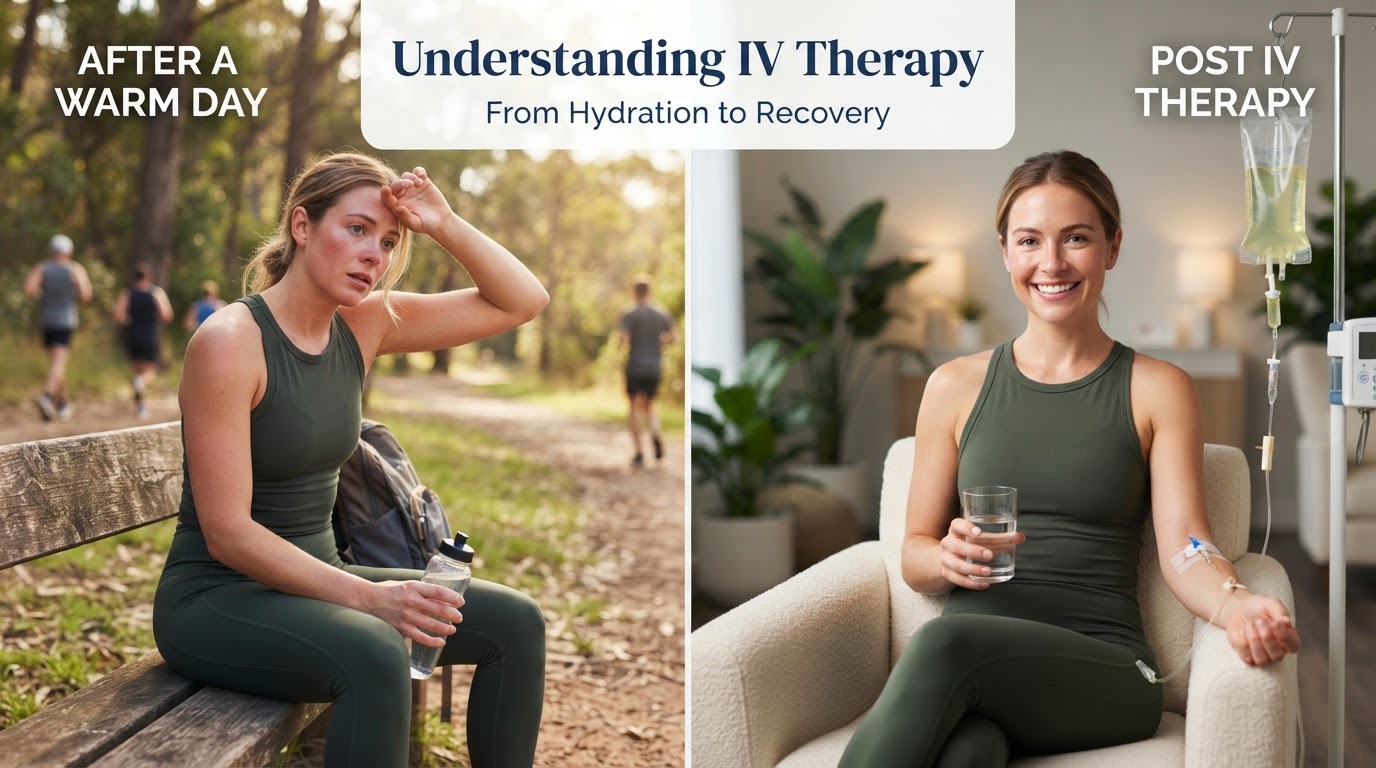
* Individuals Seeking Hydration Support: People recovering from heat exposure, strenuous outdoor activity, or mild dehydration who desire direct fluid and nutrient replenishment.
* Proactive Wellness Advocates: Individuals incorporating routine micronutrient infusions into their broader lifestyle and self-care plans.
---
Patient Tip
A balanced, nutrient-rich diet remains a primary foundation for daily health. IV therapy is one of several tools healthcare providers may incorporate into individualized wellness plans.
---
Vitamin C and Immune System Function
A common reason patients ask about Vitamin C is its relationship with immune health.
Vitamin C contributes to normal immune defenses in several physiological ways:
1. Supporting Epithelial Barrier Function: Helps protect skin and mucosal linings against environmental pathogens.
2. Promoting White Blood Cell Activity: Accumulates within phagocytes and lymphocytes to support normal cellular function.
3. Protecting Immune Cells: Neutralizes reactive oxidative species produced during normal immune responses, shielding immune cells from premature breakdown.
*Important Note:* While Vitamin C is an essential nutrient for normal immune function, IV therapy is not a "cure" or quick fix for acute medical illnesses. It is designed to support baseline hydration, micronutrient balance, and physiological wellness.
---
Vitamin C in East Coast IV Formulations
At East Coast IV, Vitamin C is a cornerstone ingredient featured across several of our clinical IV therapy infusions:
* Myers Cocktail: The classic wellness infusion combining Vitamin C, B-Complex vitamins, Vitamin B12, Magnesium, and isotonic hydration.
* Super Immune Stimulus: A robust formulation featuring high-dose Vitamin C paired with Zinc, B vitamins, and Glutathione for comprehensive wellness support.
* Beauty & Glow Infusion: Formulated with Vitamin C, Biotin, and Glutathione to support healthy skin, hair, and connective tissues.
All treatments at East Coast IV are administered by licensed Registered Nurses under clinical protocols supervised by our Medical Director.
Learn more on our main IV Therapy Page or explore our IV Therapy Resource Center.
---
Frequently Asked Questions About Vitamin C in IV Therapy
What is Vitamin C?
Vitamin C (ascorbic acid) is an essential water-soluble vitamin that the human body cannot produce on its own. It plays critical roles in collagen production, antioxidant defense, and immune health.
Why is Vitamin C included in IV therapy?
Vitamin C is included in IV therapy because it delivers essential antioxidant support directly into the bloodstream alongside balanced hydration fluids, achieving immediate systemic availability.
Is Vitamin C water soluble?
Yes. Vitamin C is water soluble, meaning any excess amount not utilized by the body is excreted through the urinary system rather than stored in body fat reserves.
Can I take Vitamin C by mouth instead?
Yes, dietary sources and oral supplements are effective for meeting daily recommended allowances. However, oral intake is subject to intestinal transport limits, whereas IV therapy bypasses digestion entirely.
Does Vitamin C support collagen production?
Yes. Vitamin C is a mandatory co-factor for the enzymatic reactions that synthesize collagen, supporting skin, blood vessels, joints, and connective tissue structure.
Is Vitamin C naturally found in foods?
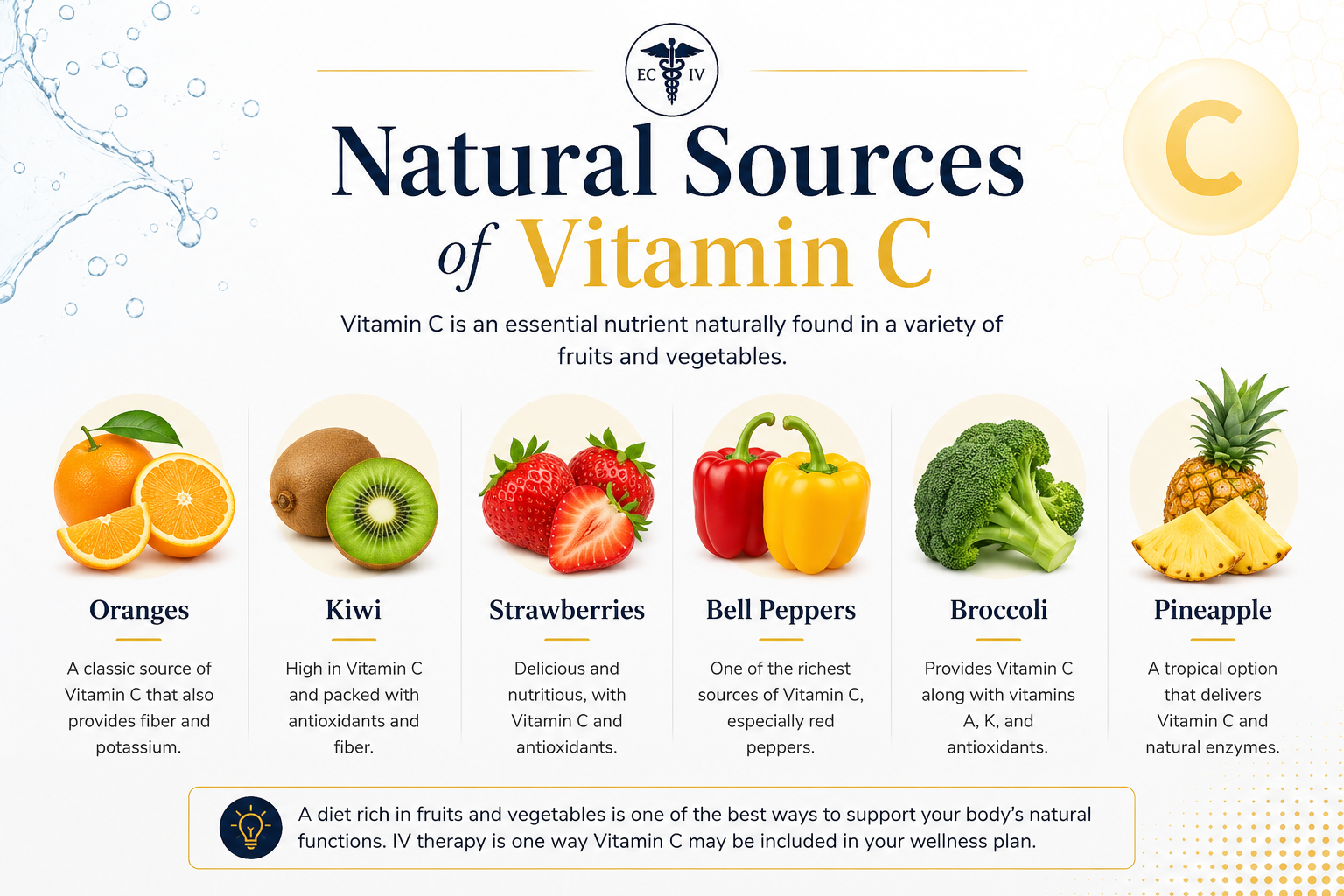
Absolultely. Citrus fruits, bell peppers, strawberries, broccoli, kale, and kiwis are all rich natural sources of dietary Vitamin C.
Can Vitamin C be added to an IV drip?
Yes. Vitamin C is commonly formulated into customized IV drips alongside B vitamins, minerals like Magnesium and Zinc, and antioxidants like Glutathione.
How long does a Vitamin C IV appointment take?
A standard IV therapy session at East Coast IV takes approximately 30 to 45 minutes, whether conducted in our Harford County or Ocean City offices, or via our mobile concierge service.
Is Vitamin C IV therapy safe?
When administered by licensed medical professionals following proper medical screening, IV therapy containing Vitamin C is generally safe and well-tolerated.
Is Vitamin C appropriate for everyone?
While Vitamin C is safe for most people, individuals with specific medical conditions (such as G6PD deficiency, severe kidney disease, or a history of kidney stones) should consult their physician before receiving high-dose IV Vitamin C.
---
Continue Learning
Explore related educational guides from the East Coast IV Resource Center:
* What Is IV Therapy and How Does It Work?
* IV Therapy for Dehydration: Signs, Symptoms & Treatment
* POTS, EDS & IV Therapy: Hydration Support Guide
* Explore All IV Therapy Services
Explore Your IV Therapy Options
Have questions about Vitamin C or which IV formulation best aligns with your health goals? Our registered nurses and medical team are here to help.
***
*Medical Disclaimer: This article is intended for educational purposes only and should not replace professional medical advice, diagnosis, or treatment. Always consult a qualified healthcare provider regarding your individual health needs.*